A high-end Webflow build in New Zealand starts at around $35,000 ex GST and commonly runs to $60,000 or more. The same platform hosts sites built for $9,000, so the extra budget is buying something other than Webflow itself. It buys time spent in specific places: commercial strategy before anything is designed, an art direction that belongs to your brand alone, a CMS designed around how your team publishes and launch work that protects what the old site had already earned.
For an established business that intends to be the reference point in its category, those are the parts of a build that decide whether the site leads or blends in. The ranges for smaller Webflow projects, and what moves a quote within them, are set out in our guide to what a Webflow website costs in NZ.
Where the money goes on a $50,000 Webflow build
On a mid-range site, design and build take most of the budget. At the high end they remain the largest phases, but strategy, content and launch take a much bigger share than they would at $15,000, because those are the phases a cheaper project compresses first.
A rough picture of a $50,000 build looks like this. Strategy and discovery account for several weeks of senior time. Art direction and the design system follow, then page template design across every screen size, then the Webflow build with its CMS architecture and motion. Copywriting and photography direction run alongside, and the final weeks go to testing, redirects, analytics, performance tuning and training. None of these phases is exotic, and at this level none of them is cut short to make a number work.
What the extra budget actually buys
Commercial strategy before design
The first few weeks of a high-end project produce no visible design at all. They produce a clear account of what the site has to do commercially: which buyers matter most, what each of them needs to see before they will enquire, which pages carry the revenue and how competitors' sites leave room for you to lead. For a business turning over several million dollars a year, a site that wins one more qualified enquiry a week pays for that strategy work many times over. Our walk-through of how we scope a website project shows what that discovery work involves.
Art direction that belongs to you
A mid-range site applies your brand to a set of well-built layouts. A high-end site starts from an art direction built for your business alone, which means decisions about typefaces and type scale, line weights, colour, grid, photography style and the pace of motion, all made to express one idea about the brand.
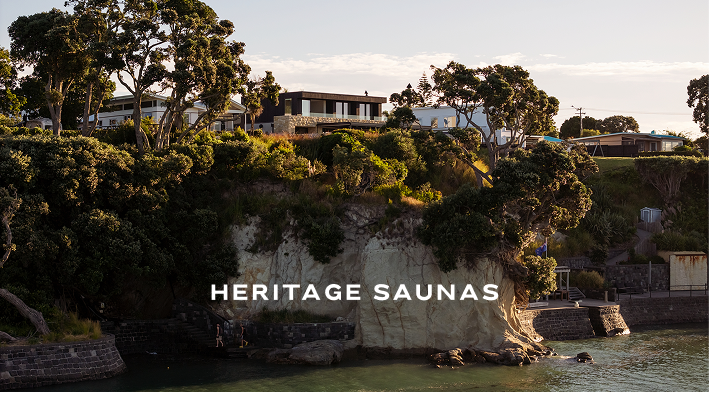
Heritage Saunas is a good illustration. The site launched before a single sauna had been finished, so there were no product photographs to carry it. The design drew on the materials themselves (redwood, steel, stone and steam), with thin precise lines and dotted accents borrowed from technical drawings and motion slowed to the pace you feel inside a sauna. Within three months of launch, with no paid advertising, the site was converting enquiries at 4.6% against a 2.7% benchmark for its category and producing two to three qualified leads a week from architects and high-end homeowners.
A design system your team can extend
Behind the visible pages, a high-end Webflow build includes a component library and a naming system for every class and style. That work is invisible on launch day. Six months later it lets your team build a new landing page from existing sections in an afternoon without breaking the layout or drifting off-brand, and it keeps the next round of development affordable because a developer can find their way around the build immediately.
CMS architecture planned around how you publish
At the top end, the CMS is designed around your team's workflow. Collections are connected with reference fields so that one case study feeds the right service page, industry page and team profile. Fields are labelled in plain language with help text, so a new marketing coordinator can publish correctly in their first week. For a business with a large resource library or a programme of articles, this is the difference between content that compounds and content that sits in a pile.
Motion with a purpose
Webflow makes sophisticated motion possible without custom code, and high-end budgets often include it. Done well, motion explains something, such as how a product goes together, how a process unfolds or where a buyer should look next. Each sequence is designed, built and then tested on every breakpoint, with reduced-motion settings respected for visitors who have turned animation off.
Copy written for the buyer
High-end projects include copywriting as a core phase. A site with a strong art direction and generic copy reads like an expensive template, because buyers decide on the words as much as the visuals. Copy at this level is written from the strategy work, page by page, around the specific questions a buyer in your category asks before they make contact.
Performance, accessibility and search foundations
Large images, video and motion all cost load time, so a high-end build budgets for performance work: compressed and correctly sized media, deferred scripts and careful use of third-party embeds. Accessibility gets the same attention, from colour contrast to keyboard navigation and alt text that describes an image properly. Where the site replaces an existing one, a full URL audit and redirect map protect the search traffic the old site earned.
Awards, recognition and what they signal
Design awards are a side effect of a high-end build, and an occasional commercial asset. Slight Twist, a Webflow front end with Shopify running the commerce, received three CSSDA awards including Special Kudos. For a brand where design standards decide whether a customer trusts the product, recognition of that kind shows up in press, in partner conversations and in how the brand is perceived by stockists. For a professional services firm selling to CFOs, it matters far less than enquiry quality, and the budget should be weighted toward strategy and copy instead.
Where spending more stops paying back
There is a point on every project where additional budget buys polish that no buyer will notice. These are the places we see it most.
Templates nobody needs
Each unique page template adds design, build and testing time. A site with twenty-two distinct templates where twelve would do costs more to build, more to maintain and is harder for your team to keep consistent. Reusable sections with a few well-planned variations are a better use of budget.
Motion for its own sake
Scroll-jacking, heavy page transitions and decorative animation can each add thousands of dollars while slowing the page and frustrating visitors who came to find information. Our piece on design trends that hurt sales covers the common offenders.
Custom code where Webflow already has an answer
Webflow's native CMS, forms, interactions and localisation cover most of what a business site needs. Custom code has its place for specific functionality, but each piece is something a future developer has to understand and maintain. A high-end studio uses it sparingly and documents everything it adds.
Review rounds driven by committee
Every extra round of design review costs money and pulls the design toward something nobody objects to. One accountable decision-maker, supported by a small group who see the work at agreed points, protects both the budget and the quality of the result.
The running costs at the top end
Most high-end business sites run on Webflow's Premium site plan, which is US$25 a month billed yearly at the time of writing and includes the CMS, site search and generous bandwidth. Organisations with complex governance, security review requirements or very high traffic move to Webflow Enterprise, which is priced by quote. Workspace seats for your team sit on top of the site plan, and the detail of each tier is in our Webflow pricing guide.
Ongoing development is where a high-end site keeps earning. Budget for a support arrangement that covers new landing pages, conversion testing and seasonal campaigns, because a site that launched at the top of its category and then sits untouched for two years slides back toward the middle of it.
How to tell whether you need the high end
A high-end build makes commercial sense when the value of the work you win is high, when buyers compare you against two or three serious competitors before they make contact and when the site has to carry a positioning that your current one does not express. It suits a business turning over several million dollars a year whose last site was built for a smaller version of the company.
It makes less sense for a business with one simple offer, a short sales cycle and most of its work coming through referrals. A well-built $15,000 to $35,000 site will serve that business well, and the difference is better spent on content or campaigns. A conversation with a Webflow expert who has built at both ends of the range will tell you quickly which side of the line you are on.
Common questions
How much does a high-end Webflow website cost in NZ?
A high-end Webflow build in New Zealand starts at around $35,000 ex GST and commonly runs from $35,000 to $60,000, with larger multi-audience or multi-language sites going higher. The budget covers commercial strategy, original art direction, a component-based design system, a planned CMS, copywriting and launch work such as redirects, performance tuning and training. The Webflow site plan is billed separately in US dollars.
Why do Webflow agency quotes vary so much for a premium site?
Because the phases that separate a premium site from a mid-range one are the easiest to compress or leave out. Two quotes can describe the same pages while one includes several weeks of strategy, copywriting and a proper redirect map and the other assumes you will supply copy and skip discovery. Ask each studio for the scope inside every phase, then compare like with like.
Is a premium Webflow site worth it for a professional services firm?
It is when the value of a single new client is high and buyers compare several firms before making contact. A site that wins one extra qualified enquiry a month can repay the difference between a $20,000 and a $45,000 build within a year for many firms. If most of your work arrives through referrals and buyers seldom compare you against anyone else, a mid-range build is the better investment.
Does a high-end Webflow site cost more to maintain?
Not necessarily, because a well-structured component system and a carefully planned CMS reduce maintenance cost: your team can make most updates and a developer can work quickly when they are needed. What costs more is the ongoing improvement a high-end site deserves: new landing pages, conversion testing and content. Treat that as investment in the asset you built rather than upkeep.
Can a Webflow site handle ecommerce at the high end?
Webflow has its own ecommerce plans, which suit a small, design-led catalogue. For a larger catalogue, complex shipping or wholesale pricing, a common high-end approach pairs a Webflow front end for brand and content with Shopify handling products, checkout and fulfilment. That adds integration scope and budget, but it gives you Webflow's design freedom and Shopify's commerce engine in one experience.