

Two quotes can land on the same desk for what looks like the same brief. One reads $9,000 for a template build. The other reads $42,000 for something the studio calls custom. Both promise a professional website, both come with a portfolio of happy clients attached, and the difference between them sits almost entirely in a word that has started to mean very little on its own.
Some studios call a re-skinned theme custom because the colours and the logo changed. Others reserve the word for a site built from a blank page, with every layout decision made for one brand rather than borrowed from a template library used by thousands of other businesses. Neither use is dishonest exactly, but only one of them is describing the thing that actually changes what the site can do for you.
This is not the head-to-head version of that argument. We have already set out the full feature-by-feature comparison in custom website vs template. What follows is narrower and more useful for most people asking the question: what custom actually buys you at each layer of the build, and the commercial conditions under which paying more for it earns the money back.
Information architecture built around how your customers actually decide
Every template ships with an assumed structure: home, about, services, contact, a blog bolted on the side for good measure. That structure works reasonably well for a wide spread of businesses, because it was built to avoid offending any one of them specifically rather than to serve one of them well.
A custom information architecture starts from a different question. How does someone actually decide to buy from you? A business selling one considered service to a handful of enterprise buyers a year might need the entire site funnelling toward a single enquiry point, with case studies carrying the weight an "About" page carries on a template site. A retailer with three distinct customer types, browsing new arrivals, comparing two products, or reordering a usual size, needs three pathways living on the same handful of pages without ever tripping over each other.
A template assumes one customer journey and asks every visitor to fit inside it. A custom build maps the journey first and builds the pages that journey actually needs, which sometimes means more pages than a template offers and sometimes means fewer.
A design system built for one brand, not adapted from a theme
A theme's design system has to survive being edited by thousands of businesses with different products, different colours and wildly different amounts of content, without ever breaking under any of them. That resilience comes at a cost. Spacing, type scale and component behaviour all sit inside limits wide enough to fit almost anyone, which means they fit no one especially well either.
A custom design system runs the other way. Every spacing decision, every heading weight and every component gets built around what one specific brand needs to say, in the order it needs to say it. Slight Twist is a useful example of what that produces: a Webflow front end paired with Shopify commerce, built tightly enough around the brand's own visual language to pick up three CSSDA awards in 2025, including a Special Kudos. That result came from a system with no theme underneath it to compromise around.
None of this means a template site looks unpolished. Plenty look sharp on launch day. The difference shows up later, when an unusual piece of content arrives: a longer product description, an oddly shaped image, or a page type nobody planned for a year ago. A custom system flexes to fit it. A theme forces a workaround, and that workaround stays visible on the page.
Technical flexibility for the integrations and the growth you have not scoped yet
Most established businesses already run other software before a new website gets discussed: an accounting platform, a freight provider, a loyalty tool and a booking system, in some combination. A template site can connect to a handful of these through pre-built apps, provided your setup matches closely enough what the app was written to expect.
A custom build gives more room on either side of that assumption. We scope and manage the connections between your site and the systems you already run, whether that is Xero, Klaviyo, Cin7 or a booking platform, and the technical work behind each individual integration sits with the relevant platform or provider rather than being squeezed through a plugin that was never built for your setup. For Shopify builds specifically, design and build happen together inside Shopify's own theme architecture rather than as separate stages, which leaves room to solve for an unusual product catalogue or pricing structure as it comes up, not after the design has already been signed off.
The same flexibility matters for growth that has not been planned yet. A business selling twelve products through a template store often hits real constraints somewhere between two hundred products and a second market, a wholesale tier, or a loyalty programme nobody scoped at launch. A custom build costs more upfront for exactly this reason. It is built to absorb that growth rather than to be replaced by it.
When the extra cost is worth paying
Custom is not the right spend for every business. A straight template with strong copy and clear positioning does the job well for plenty of them, and there is no commercial case for paying extra for flexibility nobody will use. A handful of conditions tend to shift the answer.
Your category rewards being the reference point
In categories where buyers compare a small set of serious options before choosing, the website does part of the selling before anyone picks up the phone. A construction firm bidding on six-figure commercial contracts, a professional services practice pitching against three named competitors and a premium retailer selling on more than price all sit in categories like this. A template that a dozen other businesses in the same directory are also running undercuts that position before a single word of copy gets read.
The revenue behind each visitor justifies the build
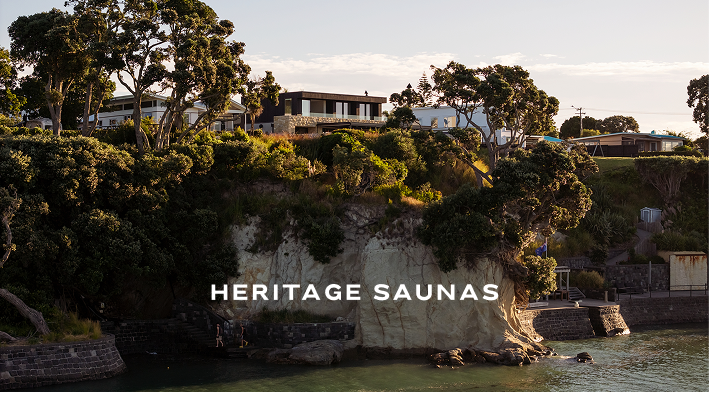
A site converting enquiries worth tens of thousands of dollars each, or product sales at healthy margin and real volume, earns back a larger build cost fast through a small lift in conversion rate. Heritage Saunas launched on a custom Webflow build with no finished product photography and no paid advertising running behind it, and still reached a 4.6% enquiry conversion rate against a 2.7% industry benchmark, generating two to three qualified leads a week within three months of going live. When each of those leads carries real value, that lift pays for the build several times over in the first year alone.
Clean Collective saw the same effect on the commerce side. A Shopify rebuild lifted conversion rate by 103% and sales by 28% across the New Zealand and Australian markets. Once the numbers behind a small percentage move reach that size, the build cost stops being the figure that decides anything.
Your growth plans will hit a template's ceiling on a schedule
A business planning a second market, a wholesale channel or a markedly different product range inside the next year or two is planning to outgrow a template's assumptions by a known date. Paying for the flexibility now costs less than paying for a template site today and a full rebuild eighteen months from now, on top of whatever momentum a mid-growth rebuild pulls away from the rest of the business. If you want the fuller breakdown of what drives price on either side of that decision, our guide to website design cost in NZ covers it in more detail.
Common questions
What is the real difference between custom and template web design?
A template starts from a pre-built structure and theme that thousands of other businesses also use, edited to fit your content. A custom build starts from your customer journey and brand and constructs the structure, design system and functionality around that from the ground up.
How much more does a custom website cost than a template one?
The gap varies with scope, but a custom build runs several times the cost of a template site once real content, integrations and a working design system are accounted for. Our website design cost guide sets out the ranges and what drives them on both sides.
Can a custom website still be built on Webflow or Shopify?
Yes. Custom refers to the structure, design system and functionality built for your business, not the platform underneath it. Most of our Webflow and Shopify projects are fully custom builds on those platforms rather than themed templates.
Will a custom website still let our team update content ourselves?
Yes, when it is built properly. A custom build should still give your team a CMS they can manage without calling a developer for every text change or new page, and that is part of what gets scoped before the build starts.
How long does a custom website build take compared to a template site?
A custom build takes longer than dropping content into an existing theme, largely because the structure and design system are being built rather than edited. Most projects still run a matter of months rather than a year, and the timeline gets set during scoping once we know what the site needs to do.
Is a custom site harder to connect to the tools we already use?
No, if anything the opposite is true. A custom build gives more room to scope an integration around how your accounting, freight or booking systems actually work, rather than forcing your setup to match what a pre-built app expects.
If your category, your conversion economics or your growth plans point toward custom, the next step is scoping it properly rather than guessing at the number. Talk to us about a Webflow or Shopify project through our contact page.