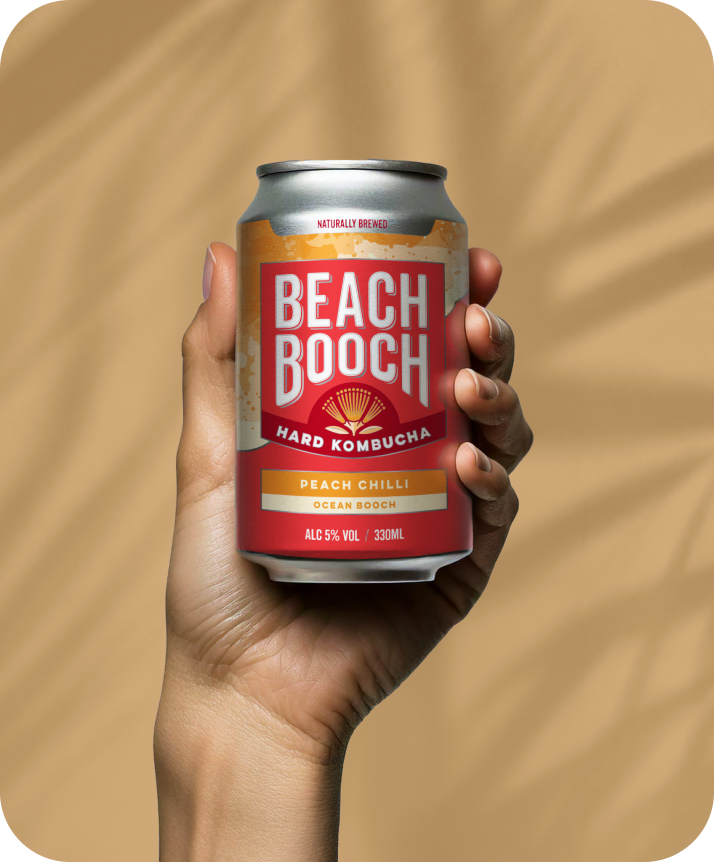

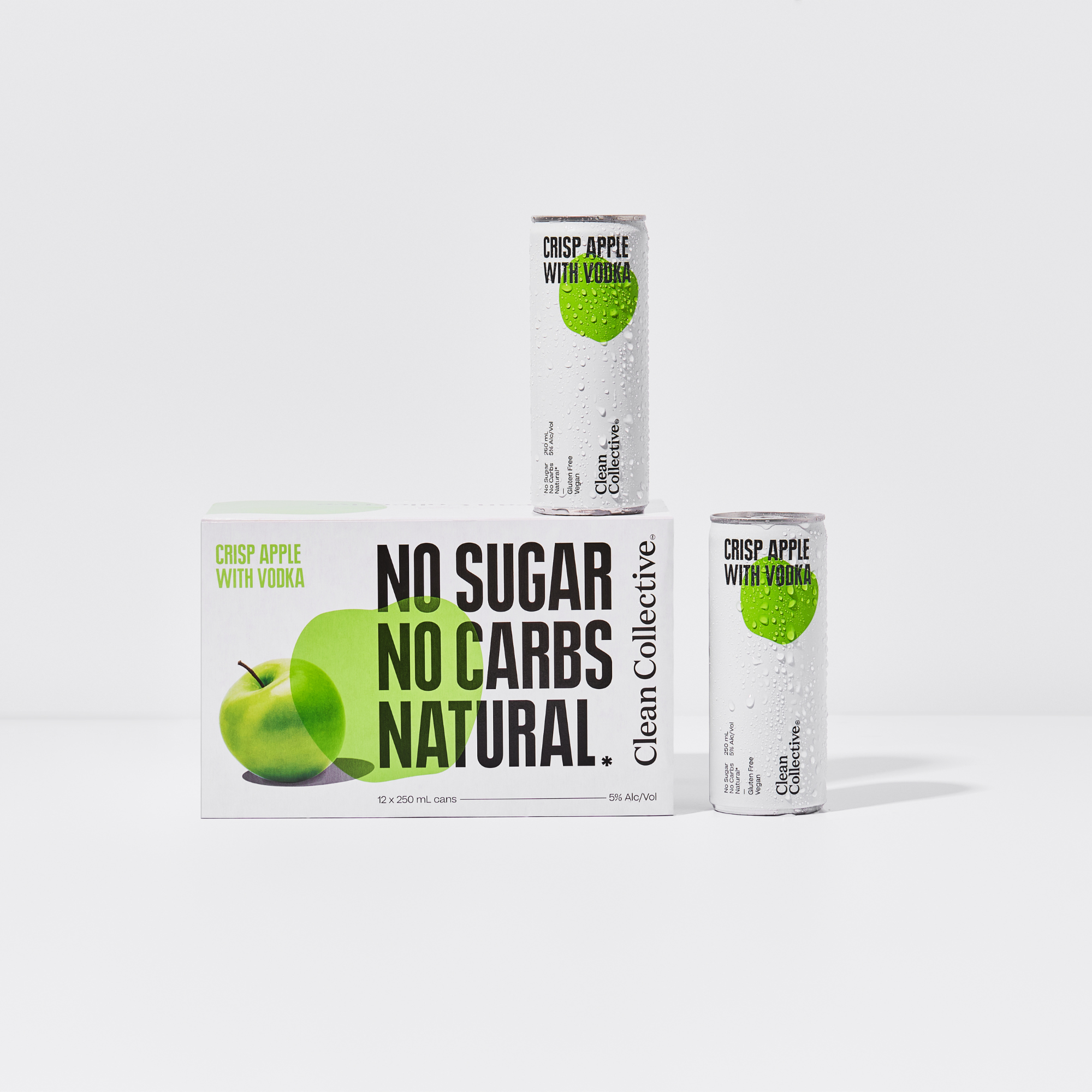









An FMCG website has two jobs that pull against each other. It has to sell direct to the customer who wants to order online, and it has to send everyone else to a shelf in a supermarket or liquor store without making the retail partners feel undercut. We've built for FMCG brands at both ends of that range, from Clean Collective, stocked in every liquor store in New Zealand and selling online in two markets, to Hendersons, where every sale happens in a supermarket aisle. The work is in deciding how much of the site sells and how much of it sends people to a stockist, then building the stock, pricing and fulfilment underneath to match.

We rebuilt Clean Collective's separate New Zealand and Australian stores on Shopify, with geolocation sending each visitor to the right market, a stockist map for retail buyers and Unleashed connected so every order passes straight through to stock.
increase in conversion rate
growth in sales

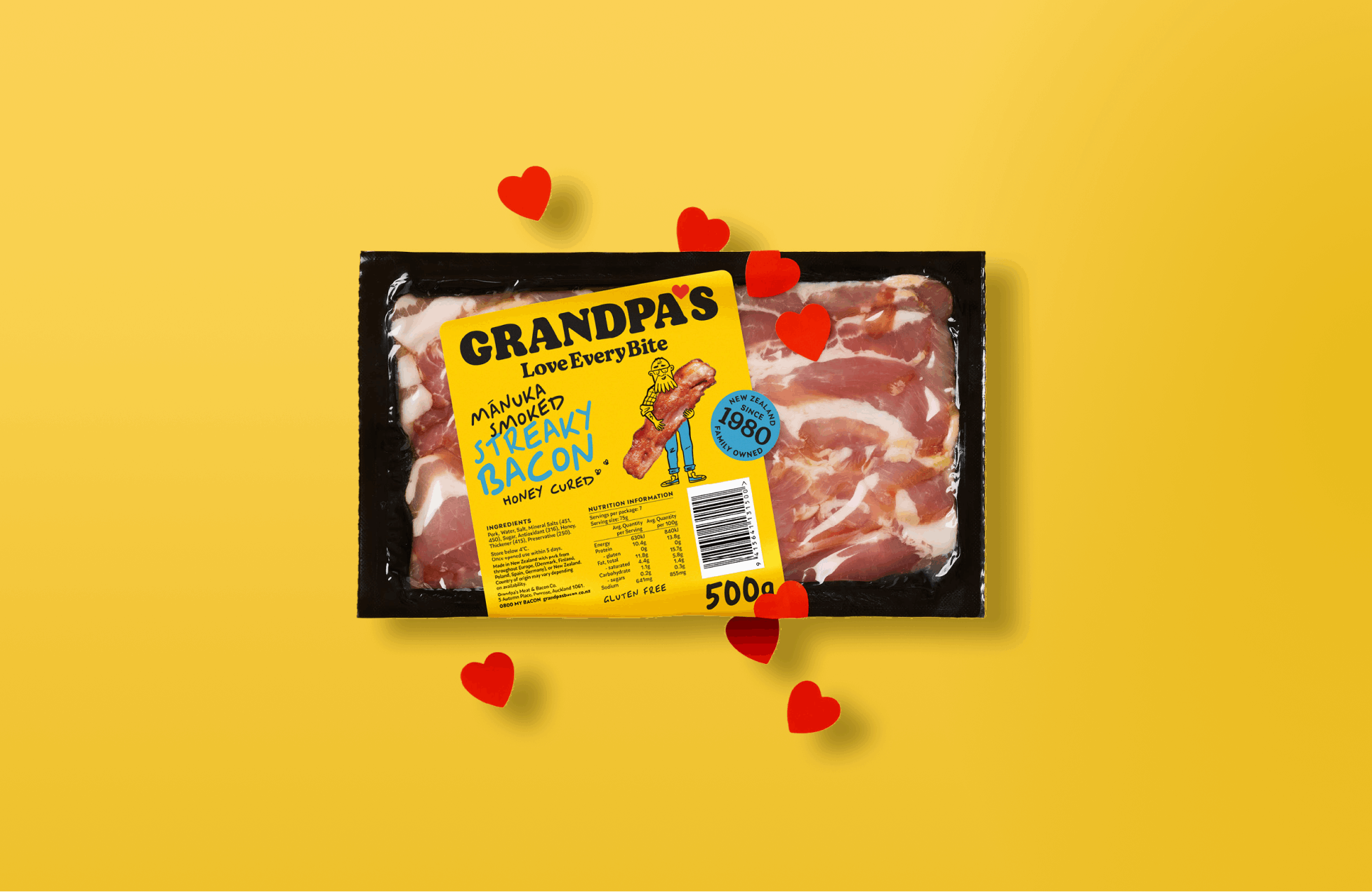
Grandpa's is manuka smoked, honey cured and made entirely in New Zealand. The Webflow site launched alongside the packaging rebrand and carries the same straight-up, salty voice as the label, all the way through to the order.
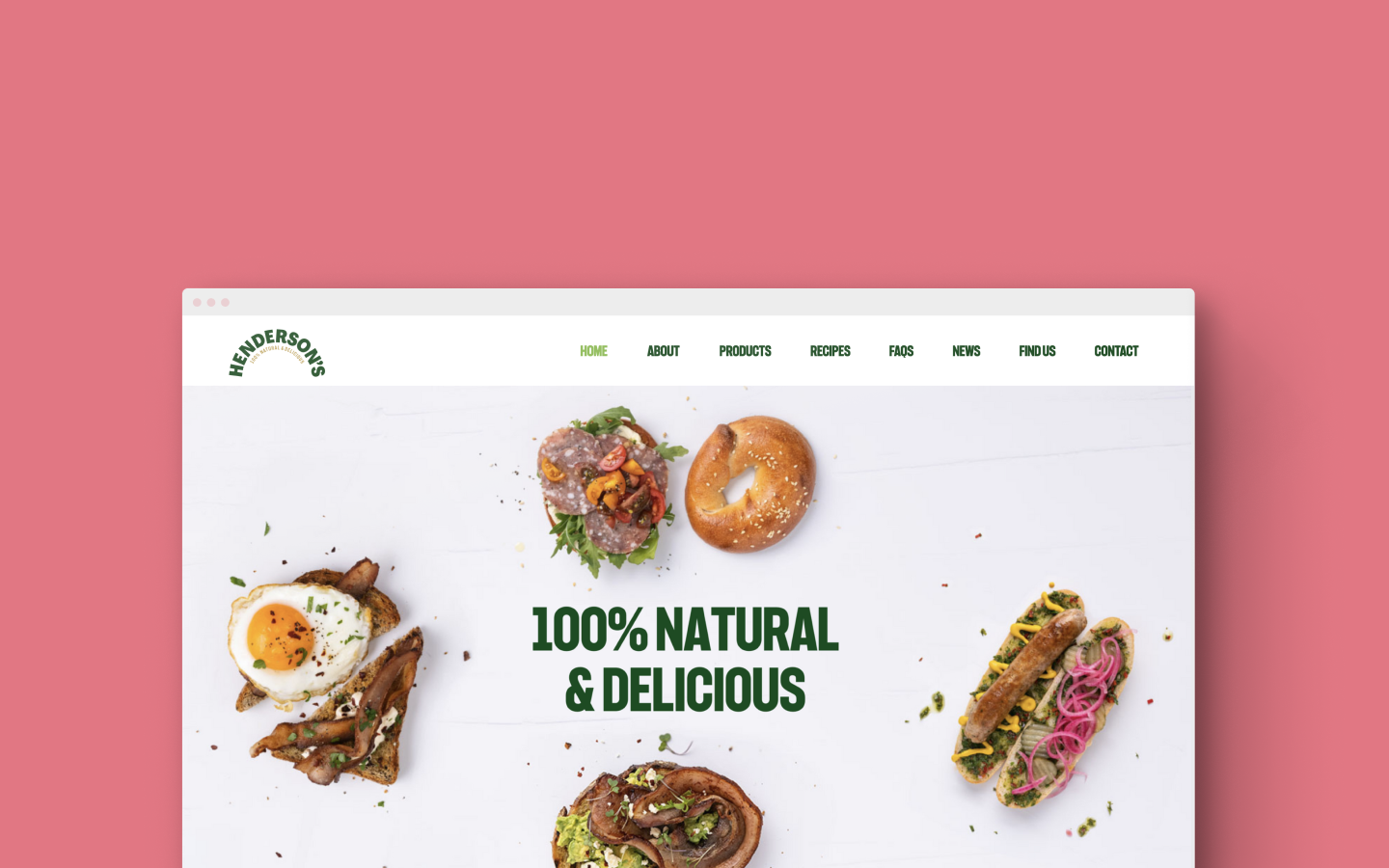
Every Hendersons sale happens in a supermarket, so the site carries no checkout. Its job is recipes, product information and the reasons to pick Hendersons off the shelf.

Slight Twist's front end is built in Webflow for full design control, with Shopify running the checkout, inventory and payments behind it. The site has picked up Best Innovation, Best UI Design and a Special Kudos from CSSDA, plus an Awwwards honour.
Clean Collective were running two WordPress stores and managing product, content and stock twice over. Once both markets moved to Shopify, with orders passing straight through to Unleashed, the conversion rate more than doubled and sales grew 28%. The site now does more with the same traffic, and the team runs one operation across two countries.
increase in conversion rate
growth in sales
markets run from one Shopify setup
“We hired Skyrocket to rebuild our two websites on Shopify (one for NZ, one for Australia) and we were extremely satisfied with the whole experience. Skyrocket were efficient and cost-effective, delivering everything we wanted for our websites on time and on-budget. I have 15 years of experience in e-commerce and performance marketing, working both client side and agency side. I can honestly say that our project with Skyrocket was one of the smoothest I’ve experienced, and I would enlist them again in a second.”
Courtney Sanders
Clean Collective
We've built for FMCG brands selling direct, through every liquor store in the country and entirely through supermarkets. These are the three decisions that shape each site before anything is designed.
Most FMCG volume still moves through supermarkets and liquor stores, so a direct store that undercuts them costs more than it earns. For Clean Collective we paired online ordering with a stockist map that sends retail buyers to the nearest shelf, and for Hendersons we left the checkout out entirely.
When stock sits with a 3PL, a warehouse and wholesale orders at once, the site has to agree with all of them. We scope and manage the connection to systems like Unleashed and Cin7, so an online order passes straight through to fulfilment and nobody oversells.
Selling into Australia brings separate pricing, GST, freight and often a second store. Clean Collective runs both markets from one Shopify setup, with geolocation sending each visitor to the right store, and its conversion rate more than doubled after launch.





Some FMCG brands make online sales a real channel, others use the site to send people to a shelf. We work out which suits your margin and your retail relationships before anything is designed, because it changes the navigation, the product pages and the checkout.
A stockist map, retailer links and clear product information do the selling for brands whose customers buy in store. We build them so a shopper can get from your site to the right aisle in a couple of taps.

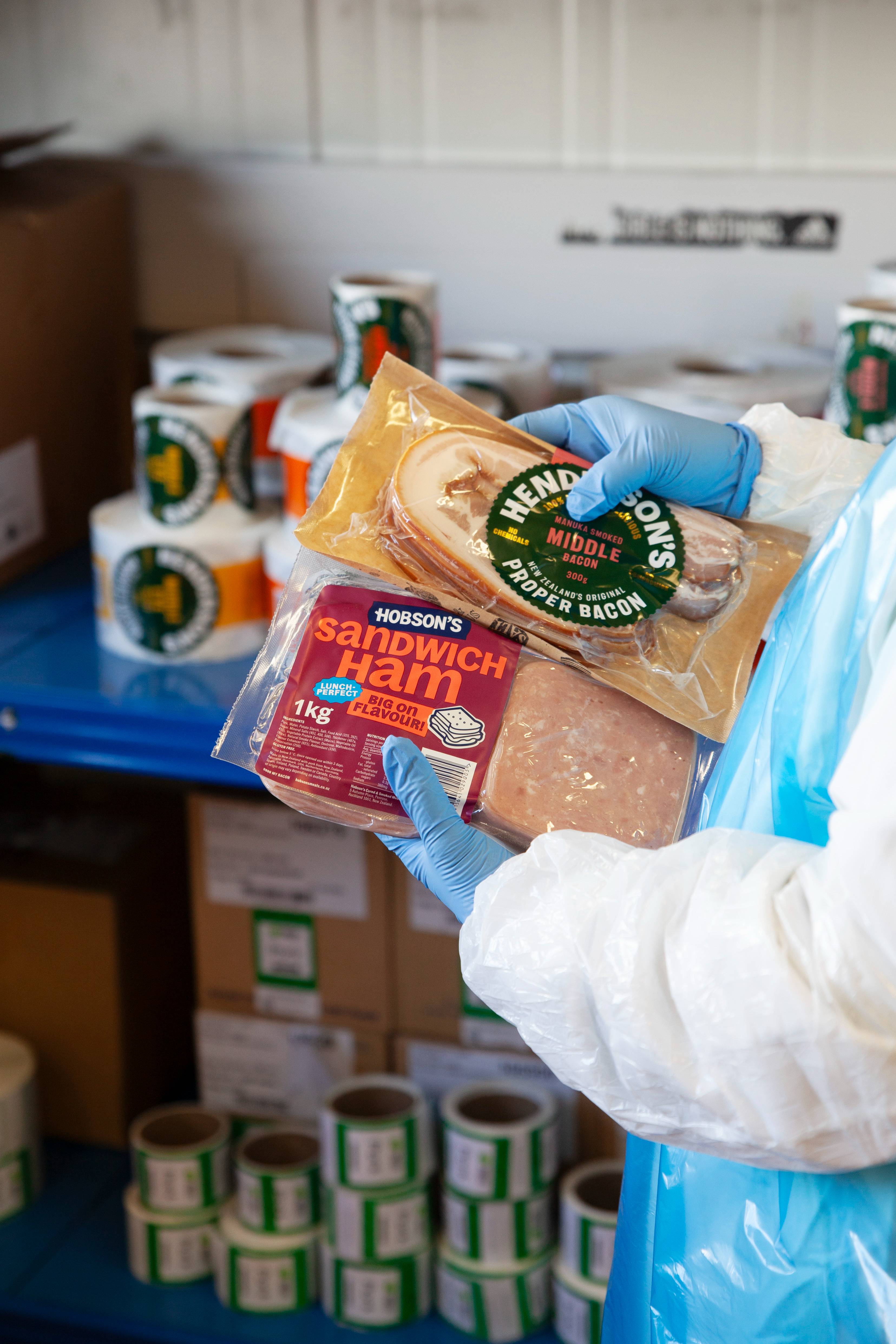
Inventory, 3PL and accounting systems are planned alongside the build, not after it. Each order updates stock and creates the right record in your accounts, so month-end starts from one set of numbers.
Retail customers, trade buyers and wholesale accounts each see the right pricing and minimums, whether that's Shopify B2B or a separate trade store.

Skyrocket designs and builds Shopify and Webflow websites for New Zealand FMCG brands that sell direct online, through supermarkets and liquor stores, and into Australia. Its clients include Clean Collective, which recorded a 103% conversion increase after its Shopify rebuild.
Should an FMCG brand sell direct online at all?
It depends on margin and your retail relationships. Some brands make direct sales a real channel, others use the site to drive shelf sales, and we scope which one suits you before anything is designed.
Can one site handle New Zealand and Australia?
Yes, either as two connected Shopify stores or one store with market settings. Clean Collective runs two stores with geolocation sending each visitor to the right one.
Can the site connect to our 3PL and inventory system?
Yes. We scope and manage the connection to systems such as Unleashed, Cin7 or your 3PL's platform so orders flow through to fulfilment.
What does an FMCG website cost?
It depends on the number of page templates, products and integrations involved. A defined scope gets a fixed price and larger builds get a rate guide with ranges for each stage, all ex GST.
The headline metrics of an ecommerce build, conversion rate, site speed and design quality, tend to get the most attention. The integration architecture tends to get addressed after everything else. That sequencing is backwards.
Shopify handles B2B and wholesale well when it's set up correctly. For established NZ businesses with wholesale operations, here's what works on standard Shopify, what requires Plus and where the configuration decisions actually matter.

Before a project starts, we often come to you. Sitting in your space, understanding how the business operates and working through the brief face to face gives us context that a video call doesn't quite replicate.