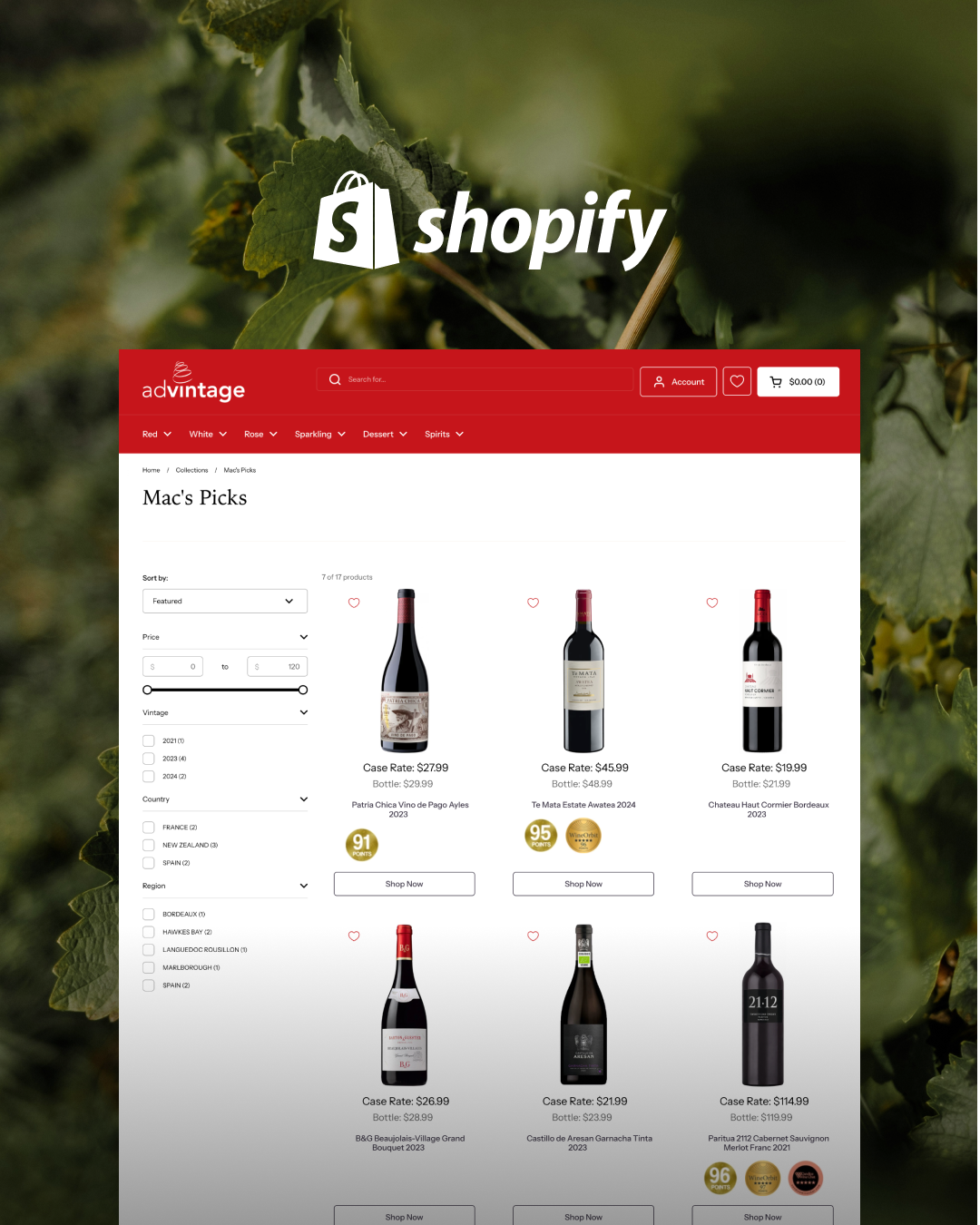

Shopify can run B2B and wholesale operations, but the right approach depends on the complexity of what the wholesale side needs to do. Basic wholesale, account-gated pricing and minimum order quantities can be managed on standard Shopify with the right configuration. More complex requirements, including tiered customer segments, negotiated payment terms and multiple storefronts, generally require Shopify Plus.
What B2B on Shopify actually involves
B2B on Shopify typically means: showing different prices to trade customers than to retail customers, restricting certain products or the entire store to approved accounts, handling minimum order quantities and case-pack rules, and processing orders on payment terms rather than immediate card payment. Each of these is achievable on Shopify, to varying degrees, depending on the plan and configuration.
Customer groups and account-gated pricing
Standard Shopify has customer tags, which can be used to segment buyers and show different prices through discount apps or theme logic. This works for straightforward wholesale setups where trade customers get a percentage discount. It becomes harder to manage when the pricing structure is more complex: different discounts for different product ranges, tiered pricing by volume or prices negotiated individually by account.
Shopify Plus introduced native B2B features including company accounts, location-based pricing and the ability to set payment terms directly within the platform. If the business has a complex wholesale operation, these features are worth understanding before deciding whether Plus is necessary.
Payment terms and invoicing
One of the most consistent gaps in standard Shopify for B2B is payment terms. Most wholesale buyers expect to pay on 30-day or 60-day terms rather than upfront by card. Standard Shopify's checkout is built around immediate payment. Workarounds exist, mainly through draft orders sent manually to wholesale customers, but they are exactly that. Shopify Plus includes native payment terms functionality that allows orders to be placed on net terms and managed through the platform.
Apps worth considering for B2B
For businesses on standard Shopify that need wholesale functionality, several established apps extend the platform's capability. Wholesale Club, Locksmith and B2B Wholesale Club are commonly used for account gating and tiered pricing. These add cost and add to the app stack, which has speed implications. For significant B2B operations, the case for Plus becomes cleaner than managing multiple apps.
When to separate retail and wholesale
Some businesses run wholesale and retail through the same Shopify storefront. Others separate them. Separation avoids the complexity of showing different prices, hiding trade-only products and managing two customer types through one checkout. Shopify Plus allows multiple storefronts under one subscription, which makes separation cleaner and more cost-effective at scale.
Frequently asked questions
Can standard Shopify handle wholesale?
For basic wholesale setups, yes. Customer tags, discount apps and draft orders can support a straightforward trade customer operation. The limitations show up with complex pricing structures, payment terms and high-volume order management. At that point, Shopify Plus or a different approach becomes necessary.
What does Shopify Plus add for B2B?
Shopify Plus includes native B2B features: company accounts, location-based pricing, payment terms (net 30, net 60) and a B2B-specific checkout. These are built into the platform rather than requiring apps, which is more reliable and better for store performance.
How does wholesale pricing work on Shopify?
On standard Shopify, wholesale pricing is typically managed through customer tags and discount rules, sometimes combined with a dedicated app. On Shopify Plus, pricing lists can be assigned to company accounts directly, allowing precise control over which customers see which prices without relying on discount logic.