The most common version of this question sounds like: "we have a budget of $X, is that enough?" The real answer is: sometimes. It depends on what the site actually needs to do.
Website pricing in New Zealand ranges from a few hundred dollars for a DIY template to $80,000 or more for a complex custom build with integrations, multiple CMS templates and a full content production scope. Most established businesses sit somewhere in the middle. The problem is that "the middle" is a wide range and the word "website" covers a lot of ground.
Comparing quotes gets harder still once you factor in who is actually building the site. A freelancer, an agency and an in-house hire all price the same brief differently, because their day rates, overheads and available time all sit at different points on the scale. None of that shows up in a single number on a proposal.
What actually drives the cost
The four things that move the price most are scope, platform, CMS complexity and whether content production is included.
Scope is the obvious one. A five-page brochure site for a service business is a different project from a thirty-page site with a blog, a case study library, a careers section and three different CMS templates, and each of those extra sections adds design time, content and testing on top of the last.
Platform matters less than most people think, but it still matters. Building in Webflow or on a custom Shopify theme costs more than installing a prebuilt theme and populating it. A custom build performs better, holds its value longer and does not require a developer to change a heading, so the investment tends to pay for itself. But it costs more upfront.
CMS complexity is where projects get expensive fast, and it is easy to under-scope at quote stage. Configuring a content management system that non-technical teams can actually use without breaking things takes real time. If the brief involves editors managing events, blog posts, team profiles and product catalogues with different layouts, the CMS architecture behind that is not trivial.
Content production is the line item most clients underestimate. Photography, copywriting, video and brand assets take time and cost money whether they come from your studio or from a third party. A build that assumes the client supplies all final assets and arrives with rough drafts instead will stall and overrun.
What pushes a project to the top of its tier
Inside every tier, a handful of scope items push the number toward the top of the range rather than the bottom.
Ecommerce complexity is the biggest of these. A Shopify store selling forty simple products is a different build from one selling three thousand SKUs with variant options, wholesale pricing and stock synced across two warehouses. Ecommerce builds scale in cost with catalogue size and rule complexity rather than the page count of the site.
Integrations add cost in proportion to how deep they go. A contact form that emails a lead through to your inbox is trivial. Connecting the site to Xero for invoicing, a freight carrier for live shipping rates or an ERP for stock and pricing is a bigger job, because the data flow between systems has to be scoped and mapped carefully. Skyrocket scopes, manages and facilitates those connections; the technical build of the integration itself sits with the relevant platform vendor or app partner.
Multi-language sites roughly double the content and quality assurance workload. Every page, form and confirmation email needs a second, or third, version, and that version has to be kept in sync every time the site is updated.
Migrating from an old platform adds a research phase before the build even starts, whether the source is a dated WordPress site or a legacy ecommerce platform. Someone has to map the existing URLs, check what content and product data is worth carrying over and make sure nothing gets lost in the move. Advintage's move from Magento to Shopify is a useful reference point here: over 5,000 SKUs, layered discount and stock management, wholesale pricing and an ERP integration, migrated with zero downtime for customers. Work at that scale sits well above the entry point of the complex tier.
Webflow vs Shopify, cost-wise
The two platforms Skyrocket builds on push cost in different directions. A Webflow build is priced mostly on pages, CMS collections and interaction design, because Webflow has no separate commerce layer to configure unless the project needs one. A Shopify build carries extra cost in the commerce layer itself: product data structure, variants, shipping rules, tax setup, apps and checkout customisation all sit on top of the page design. For a business selling three hundred products across multiple collections, the commerce configuration can cost more than the front end customers actually browse.
Businesses running high order volumes or complex B2B pricing sometimes move to Shopify Plus, which adds licensing cost but adds checkout customisation options and higher API limits that standard Shopify plans do not offer. A content-led brochure site with no products is cheaper to build in Webflow. A store with five hundred products costs more to configure properly in Shopify, regardless of which platform sits behind the front end. For a deeper look at what pushes the number up specifically on Webflow projects, see our Webflow pricing guide.
Three tiers, roughly
A basic professional website covering five to ten pages, one CMS template for a blog or news section and a contact form runs between $8,000 and $15,000 NZD from a quality NZ studio.
A mid-range build covering a full service site, multiple CMS templates, some integrations and proper CMS configuration for your team lands in the $15,000 to $35,000 range.
A complex site with ecommerce, multiple audience types, significant integration requirements or a large CMS structure can run anywhere from $35,000 upward.
These are market ranges, not quotes. All figures are ex GST, and your specific scope will move the number in either direction.
What cheap websites actually cost
The website that comes in at $3,000 often looks fine for the first three months. Then a heading needs changing and the original developer is unavailable. Then the plugin that runs the contact form stops working and nobody knows how to fix it. Somewhere in there the site also starts taking six seconds to load on mobile, well past the point where visitors stop trusting a slow page and leave. A competitor launches something better a few months later, and the gap that felt manageable turns urgent.
The cost of a cheap website shows up later rather than upfront: developer hours spent fixing things that should have been built properly, the leads that went elsewhere while the site was failing to convert and the cost of doing the whole project again sooner than planned. A slow, hard-to-edit site also tends to fall behind on search rankings without anyone noticing until traffic has already dropped. None of that appears on the original invoice.
The right question
The more useful question than "how much does a website cost?" is "what does this site need to do for our business, and what is that worth?"
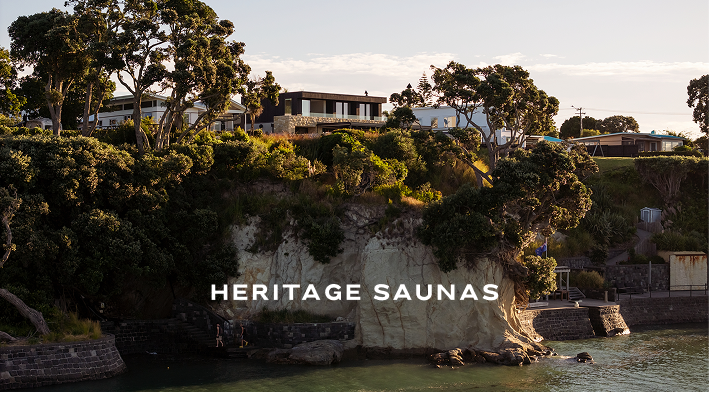
If a properly built website generates three additional qualified leads a month and your average project value is $30,000, the return on a $25,000 build is clear within the first quarter. Heritage Saunas is a good example of what a well-built enquiry-led site can do: a 4.6% enquiry conversion rate against a 2.7% industry benchmark and two to three qualified leads a week within three months of launch, with no paid ads and no completed product yet at the time. If the site generates nothing new, the cost was wrong regardless of the number on the invoice.
Answer that before setting the budget, not after. A short conversation with an agency that scopes properly up front is a lot cheaper than a rebuild eighteen months in.
Common questions
How much should a small or mid-sized NZ business budget for a website?
Budget from around $8,000 for a straightforward brochure site up to $35,000 or more once the site needs multiple CMS templates, integrations or ecommerce. The number depends mostly on scope: pages, CMS complexity, integrations and content production, rather than on the industry you are in.
Why does a custom Webflow or Shopify build cost more than a template?
A prebuilt theme is quick to install but limits what the site can do and how well it performs as the business grows. A custom build on Webflow or Shopify costs more upfront because the CMS, layout and interactions are built around your specific content and workflow rather than a generic template. Our full comparison of a custom website versus a template sets out the trade-offs in more detail.
Does the website cost include ongoing maintenance after launch?
No. Most quotes cover design and build only. Ongoing costs include hosting-adjacent platform fees, security updates and support. Skyrocket sells monthly support plans that cover that layer, and our website maintenance cost guide breaks down what that ongoing spend covers.
How much more does ecommerce add to the price?
It depends on catalogue size and rule complexity rather than a fixed percentage. A small store with straightforward products adds a moderate amount to a brochure-tier budget. A larger ecommerce build with thousands of SKUs, wholesale pricing or a connection to an ERP or freight system sits at the upper end of the complex tier, closer to $35,000 and up.
Is it cheaper to migrate from an old platform or start from scratch?
Migrating a site costs less than starting from zero when the existing content and product data are worth keeping, because a fresh build still needs that same content written or gathered from somewhere. What adds cost in a migration is messy or outdated product data, URL structures that need mapping to protect search rankings and content that has not been reviewed in years.
How long does a website project take, and does a faster timeline cost more?
A brochure site takes around six to ten weeks; a complex CMS or ecommerce build can run three to five months once content production and integrations are factored in. Compressing that timeline does not reduce cost and can increase it, because it forces content, design and development to run in parallel with less room to catch issues. Our guide to what happens between signing off and launch sets out the stages in more detail.
If you want a real number instead of a range, Skyrocket can scope your project properly, whether that means a Webflow build, a Shopify store or a migration from an existing platform. Get in touch and we will quote against what your site actually needs to do.