







Figma is a browser-based design tool where teams design, prototype and comment on the same live file. We use it to work out page layouts, components and content structure with you. Everyone reviews one file, so a decision made on Tuesday is still the decision on Friday, and what moves into Webflow or Shopify is a plan your team has already seen and commented on.
We map the page types, components and content the site needs before any screen is designed.
You review and comment inside the Figma file we're working in, with every version and decision kept in one place.
On Webflow, the site is built from the components you approved. On Shopify, Figma sets the direction and the theme is designed inside Shopify alongside the build.





Your team reviews and comments inside the same Figma file we design in. Feedback lands on the current version of a page and every comment has a visible answer.
Buttons, cards, navigation and page sections are designed as reusable components with the same logic they'll have in Webflow or Shopify, which keeps the live site consistent as your team adds pages to it.
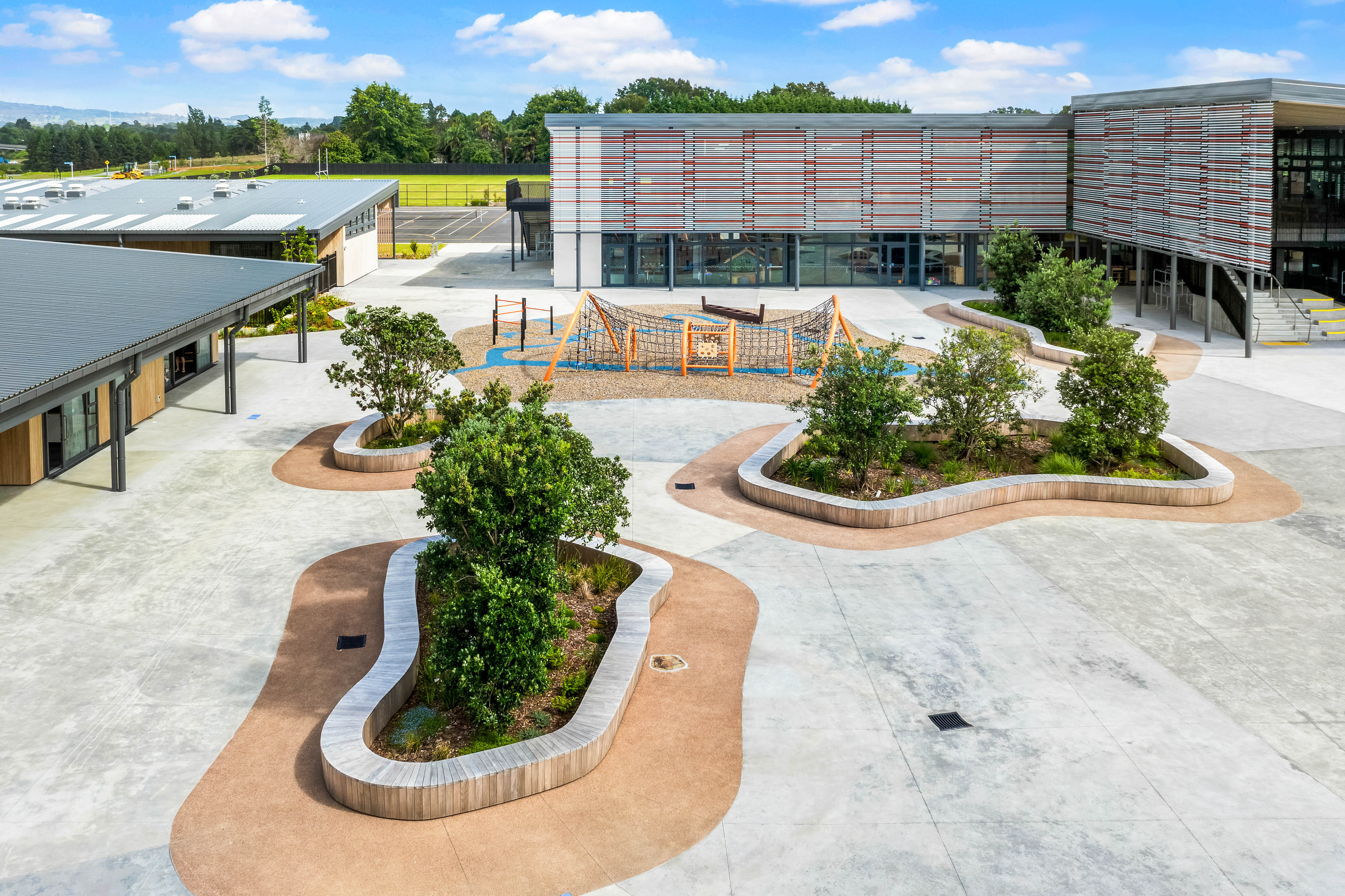
Slight Twist runs a Webflow front end with Shopify handling commerce. The design system was worked through in Figma first, so one set of components carried across both platforms and the site reads as one brand from homepage to checkout.
Moving a section or rethinking a page template in Figma takes minutes. We ask for the big changes at this stage, before they turn into development hours.


Figma is a browser-based design and prototyping tool. Skyrocket uses Figma to plan layouts, components and content structure with clients before and during a Webflow or Shopify build.
Do we get access to the Figma file?
Yes. You can review, comment and follow the design as it develops.
Does design happen before or during the build?
For Webflow, structure and components are worked through in Figma before the build. For Shopify, theme design happens inside the platform alongside the build, because that is how Shopify's theme architecture works.
Can you work from our existing brand guidelines?
Yes. Your brand material is the starting point, and the Figma components are built from your type, colour and imagery rules.
What if we want changes after the design stage?
We can make them. Change requests cost far less in Figma than after development starts, so we plan review rounds to bring them forward.
Design awards and commercial results are not the same thing. This article names the specific web design trends that look impressive and consistently underperform, and explains why the gap between aesthetic and performance exists.
Read
Most website projects begin with a brief about how the new site should look. Skyrocket begins by understanding what the current site is failing to do, and why. The distinction changes everything that follows.
Read


Before a project starts, we often come to you. Sitting in your space, understanding how the business operates and working through the brief face to face gives us context that a video call doesn't quite replicate.