
Site architecture, URL structure, page speed and internal linking get locked in during the build, which is exactly why treating design and SEO as separate purchases so often ends in expensive rework. This piece sets out the structural decisions that need to be made together, and what integrated looks like in practice.
Read
Most SEO retainer pitches start with a content calendar rather than a look at the website itself. This piece splits the two apart: what a standard retainer sells, what actually moves rankings first for an established site and how to tell which one your business needs.
Read
Custom web design changes the information architecture, design system and technical flexibility of a site, not just its skin. This article explains what that buys you at each layer and the commercial conditions under which the extra cost pays for itself.
Read
Location feels like the safest filter when searching for a web designer, but it predicts very little about the outcome of the project. This piece sets out what actually matters, platform expertise, portfolio evidence and communication quality, and the rare cases where being local actually helps.
Read
Queenstown's seasonal tourism economy, mixed visitor and local customer base and international competitive set mean a template website rarely converts well. This article covers what a website actually needs to do in this market and why.
Read
DIY website builders are a good fit for early-stage and low-stakes businesses, but four commercial signals show when a business has outgrown one. This article breaks down revenue scale, integration needs, design standards and founder time as the real decision points.
ReadThe phrase Shopify expert is self-applied and costs nothing to apply. There is a real signal in Shopify's Partner Directory, and it means less than most people assume. Here is how to verify someone properly.
Read
A Certified Webflow Partner has met Webflow's own requirements for demonstrated competence and is listed in Webflow's official directory. Here's what the certification actually means when you're choosing who to build a serious Webflow site for your NZ business.
ReadWhat actually drives the price of a website in NZ, and the question to answer before setting a budget.
Read
Shopify looks cheap at launch, but payment processing, apps and support hours grow with the store. Here's what an established NZ store costs to run each year, using Shopify's current published rates.
Read
A practical breakdown of what a freelance Shopify developer covers versus what a Shopify agency covers, and how to diagnose which one a given project actually calls for.
Read
A practical guide to vetting an ecommerce web design agency in New Zealand, covering the commerce-specific questions that separate a real build from a themed template with minor customisation.
Read
A practical look at what a small business website in NZ should actually include, from clear service and product presentation through to enquiry paths, mobile performance, SEO foundations and realistic ongoing maintenance.
Read
Web design company and web design agency are used interchangeably by most NZ businesses and by search engines. This article explains why the label doesn't matter and sets out the four distinctions, scope, team structure, ownership and service breadth, that actually do.
Read
Website designers and website developers solve different problems, and confusing the two is why quotes for the same project can land tens of thousands apart. This article breaks down what each role covers and how to tell which stage your project is actually at.
Read
A breakdown of what web development services actually cover, from front-end build and CMS setup through integrations, QA and launch, so you can tell a real development scope from a template install with a different label.
Read
Shopify and Webflow already include hosting inside their platform fee, so the real cost question for NZ businesses is what it takes to keep the site managed on top of it. This article breaks down platform pricing versus ongoing support, and why Skyrocket bundles both into one monthly fee.
Read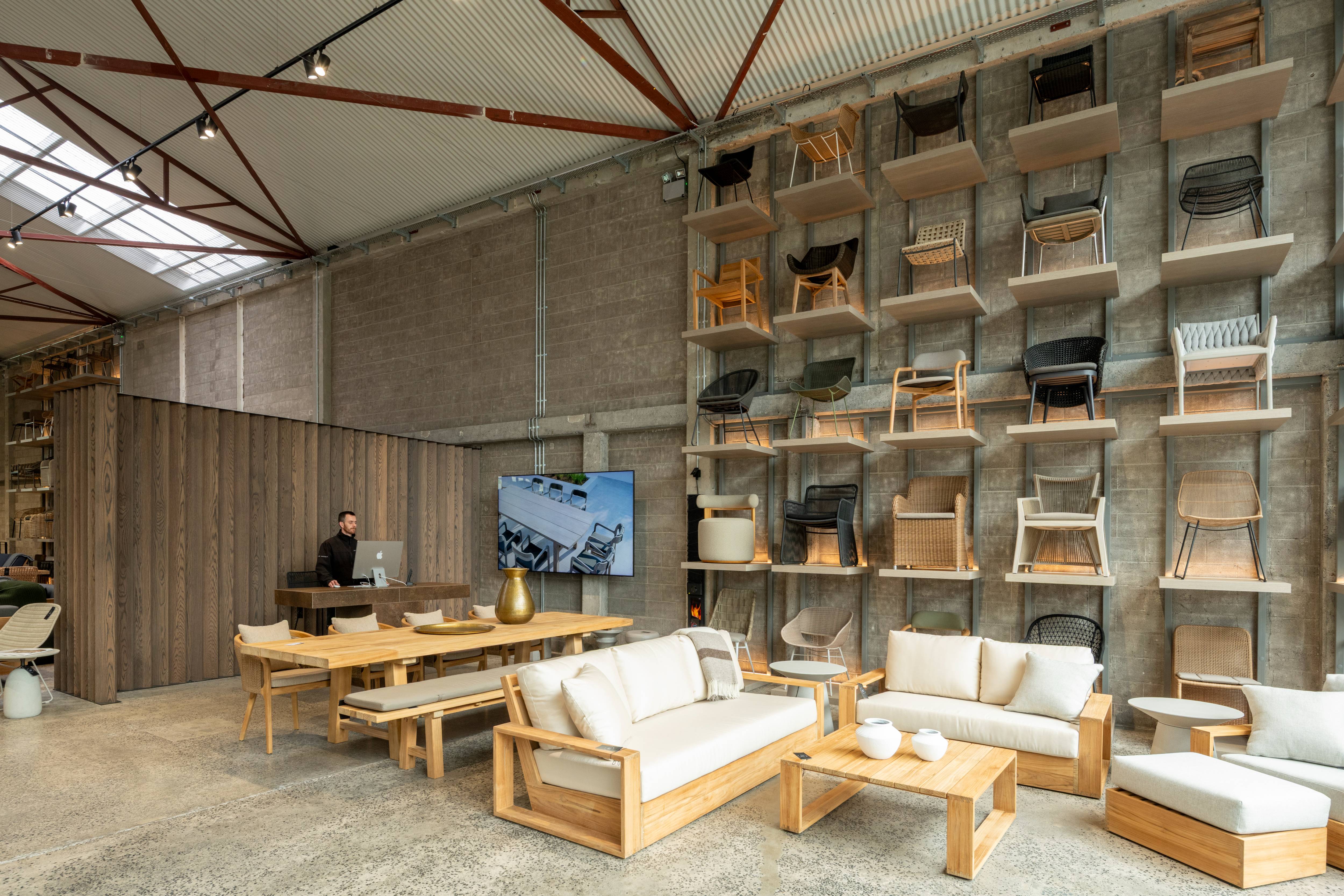
Design Warehouse's Grafton showroom sells furniture by letting people see how it all fits together. We rebuilt their Shopify home page to do the same job online, and sales in early October are up 81%.
Read
Business owners comparing web design quotes are often comparing four commercially different types of provider without realising it. This breaks down what actually differs between them and how to tell which one you're talking to.
Read
People often ask to see our packages. We price every website from what it needs to earn for the business and the budget available, and the plan gets built to fit both.
Read
Once a Shopify store grows past a handful of orders a day, manually choosing a courier for each one stops being realistic. Here is how automated rate comparison and label printing actually work, and what a proper setup needs to get right.
Read
Most Shopify stores send email. Few send email that changes buying behaviour. Here is what separates a newsletter from a system that drives repeat purchases, and where a tool like Klaviyo actually earns its subscription.
Read
High-volume retail has a specific set of problems that standard ecommerce builds handle badly. Catalogue size, order velocity, multi-channel complexity, integration requirements. The store that works at $500k revenue starts to buckle at $3M.
ReadBoth quotes are for a Shopify store. Both end with a Shopify store. The gap in between is not padding or margin. It's the difference between a store built to look right and a store built to perform commercially.
Read
There is a version of the Shopify Plus migration that takes about ten minutes. You contact Shopify, they upgrade your plan, and your store is technically on Plus. Nothing else changes. Your theme is the same, your checkout is the same, your integrations are the same. That version is almost never the right version.
Read