A joinery business in Tauranga turning over $4.2 million a year kept the same website for seven years. It listed three services, a landline number and a photo gallery that stopped updating in 2019. The owner assumed the site was fine because nobody complained about it. Nobody enquired through it either, and those turned out to be very different measures of "fine".
Plenty of established New Zealand businesses land in the same spot. The site gets designed once, launched, then left in a corner while the business keeps growing around it. Nobody sets out to build something that undersells the company. It happens one deferred update at a time, until the website no longer matches the business it's meant to represent.
Price gets asked about first because it's the easiest question to ask. Scope is harder, and scope is what actually decides whether that number makes sense. A $6,000 site and a $35,000 site can describe themselves in almost identical language until you look underneath the homepage at what's actually included. We've covered what small business websites cost in NZ elsewhere. This one is about what the money should be buying.
Show people exactly what you sell, without making them dig for it
Most established businesses have grown past the point of offering one thing. A landscaping company might run residential, commercial and maintenance contracts as three distinct services with three distinct buyers. A homeware brand might carry six product categories that need their own filtering, imagery and stock logic. A single generic "services" page that lists everything in one paragraph asks visitors to do work the site should be doing for them.
Each core offering deserves its own page, its own heading structure and its own path to enquiry or purchase. If you sell products, that means a Shopify build that handles categories, variants and stock properly rather than a bolted-on catalogue, with filtering that matches how customers actually browse rather than how the warehouse is organised internally. If you sell services, it means a site structured around what a prospective client actually searches for, not around your internal org chart. Pricing, timelines and what's included in each service tier should sit close to the offer itself, not buried three pages away in a generic FAQ. We build both: see our approach to Shopify website design and Webflow website design for how the platform choice changes what's possible.
Build enquiry paths that get used, not just installed
A contact form buried three clicks deep on a page nobody visits isn't a conversion path. It's decoration. Every service or product page should carry a clear, specific next step: a quote request tied to that particular service, a phone number that's actually answered, a form that asks for only what's needed to respond properly. If a visitor has to scroll past three sections of brand copy before finding a way to get in touch, most won't bother, and the ones who do have already decided you'll be slow to respond.
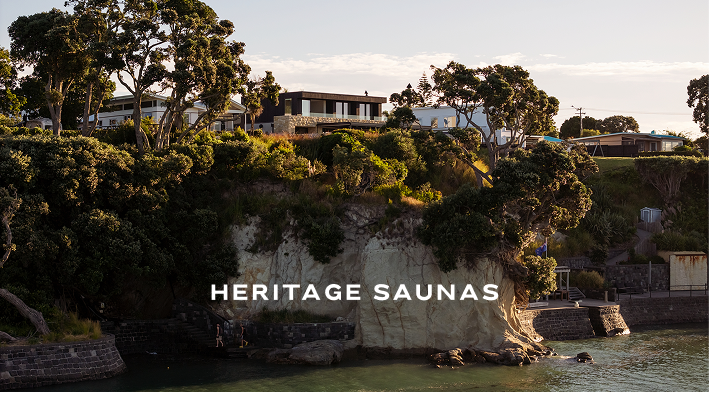
This matters more than most businesses expect. One of our clients, Heritage Saunas, launched an enquiry-led site before a single finished product existed to photograph. Within three months it was converting enquiries at 4.6%, against an industry benchmark of 2.7%, with two to three genuine leads a week and no paid advertising behind it. The site wasn't generating more traffic than competitors. It was giving the traffic it had a clearer reason to act.
Get mobile right in ways that actually matter
Responsive design is table stakes now, not a feature to point to. What matters is whether a phone user can find the right service, read the pricing information and submit a form without fighting the layout. Buttons need to sit where thumbs actually land. Forms need to work with autofill instead of against it. Pages need to load fast on a mobile connection outside a main centre, not just on office wifi during a demo. A menu that needs three taps to reach the page someone actually wants, or a phone number that isn't tap-to-call, costs enquiries in a way that never shows up in a desktop review of the site.
A site that looks sharp on a 27-inch monitor and frustrates on a phone is still losing the enquiries that started on a phone, which for most small and mid-sized NZ businesses is the majority of first visits.
Get the SEO foundations right, without needing a retainer to keep them right
Basic SEO isn't a mystery and it isn't a monthly subscription either. It's correct title tags and meta descriptions on every page. A logical heading structure that puts one H1 per page and nests everything else underneath it properly. A sitemap that's actually submitted, and a Google Business Profile that's linked and consistent with the site's address and phone number, which matters more than most small businesses realise for local search visibility. Image alt text that describes the image instead of repeating a keyword. Fast page load, because Google measures it and so do your visitors.
None of that needs ongoing management once it's built correctly, and we do this work as part of a build or as a standalone audit rather than selling it as a packaged retainer nobody asked for. If you're weighing up who should build the site in the first place, our piece on choosing a website agency in NZ covers what to check before signing anything.
Plan for the maintenance the site will actually need
A well-built Webflow or Shopify site doesn't need a developer on call to keep it upright. Both platforms handle hosting, security patching and uptime as part of the platform itself. What you will need is someone who can add a new product line, update a services page when your offering changes, or make a design adjustment as the brand evolves.
Budget for that reality rather than assuming the site is finished the day it launches. Some businesses handle small content updates in-house once we've trained the team properly. Others prefer a monthly block of support hours for anything beyond basic content edits, which covers everything from a new landing page to a seasonal promotion without needing a fresh quote every time. Either works. What doesn't work is discovering six months in that nobody internally knows how to update a price list, and the agency that built it has moved on to the next project.
When a simpler website is the right call
Not every business needs what we've just described, and we'd rather say that plainly than sell past it. If you're pre-revenue, testing a new offer, or running a business well under the size where a website is a serious commercial asset, a well-chosen template on Shopify's basic tier or a builder like Squarespace can get you trading properly while you find out whether the offer works at all.
Our work is built for businesses that have already proven the offer and now need the site to carry more weight: more products, more service lines, more traffic, more scrutiny from customers who are comparing you against the category leader before they ever pick up the phone. That's often a business doing $3 million a year or more, with a team that's grown past what the founder can manage from memory. If that's not where your business is yet, spend less for now and come back when it is. The foundations above still apply either way, whatever platform or budget you're starting with. You just don't need the full build to get them right on day one.
Common questions
How much does a small business website cost in NZ?
It depends heavily on scope, platform and how many products or services the site needs to present properly. We've broken down realistic pricing ranges in our guide to website design cost in NZ, ex GST throughout.
Should a small business use Shopify or Webflow?
Shopify suits businesses selling physical products where checkout, inventory and stock logic need to work properly from day one. Webflow suits service businesses and content-led brands where the priority is presenting the offer clearly and converting enquiries. Some businesses need both platforms working together, which is common and not a compromise.
How long does it take to build a small business website?
A properly scoped build runs eight to twelve weeks from strategy through to launch, depending on how many pages, products or integrations are involved. Rushed timelines tend to show up later as gaps in exactly the areas covered above, most often on the enquiry paths and the SEO foundations, since those are the parts a compressed schedule skips first.
Do I need an ongoing SEO retainer after launch?
Not necessarily. Correct foundations built into the site at launch cover most of what a small or mid-sized business needs. We do real SEO work, audits, advice and implementation, without selling it as a locked-in monthly retainer.
What's the real difference between a template site and a custom build?
A template gets you a working page structure fast, which is useful at the right stage. A custom build lets the site match how your specific business actually sells, structures its offer and handles growth, rather than asking your business to fit the template's assumptions.
How do I choose the right agency for a project like this?
Ask what's actually included in the quote, who does the work day to day and what happens after launch when you need a change made. Our guide on choosing a website agency in NZ sets out the questions worth asking before you sign anything.
If your business has outgrown what your current site can do for it, we build Webflow and Shopify sites for established NZ and Australian businesses that need the site to carry real commercial weight. Have a look at our Webflow and Shopify work, or get in touch to talk through what your project actually needs.