Your best salesperson already knows what your website should say. They hear the same five questions in every first meeting, they know which objection kills a deal and which one is just a request for reassurance. They also have a way of explaining your pricing that makes a buyer nod instead of wince. Most of that knowledge never reaches the website. The site was written by someone else, months earlier, from a brief about brand and tone, and it reads like a brochure while the sales team is out having a different conversation.
For a business selling a considered purchase, whether that is a commercial service, a high-value product or a contract that runs for years, the website does part of the sales job before anyone picks up the phone. Copy that closes deals does that job the way your best salesperson would. It answers the questions buyers have in the order they have them, it handles the objections that stall decisions and it makes the next step feel like a sensible, low-risk move. Good writing helps, but the words that win come from the sales conversation itself.
Start with the sales conversation
The most useful source material for website copy is a record of what buyers say before they buy. That means notes from first meetings, recorded calls if you have them, the emails buyers send asking for clarification and the reasons won and lost deals went the way they did. Spend an afternoon with your sales team and write down every question a buyer asks between first contact and signing.
You will end up with a list that looks something like this: what exactly is included, how long it takes, what it costs or at least how it is priced, who does the work, what happens if something goes wrong, whether you have done this for a business like theirs and what they need to do to get started. Those questions are the skeleton of every page that matters. If the website answers them clearly, the first sales meeting starts further along. If it does not, buyers either ask them on the call or drop off the list without ever making contact.
Pay attention to the words buyers use as well as the questions. If your clients describe their problem as "our stock numbers never match", that phrase belongs on the page. Your internal term for the service, however accurate, will mean less to a buyer than their own description of what is going wrong.
Write for each stage of the decision
A considered purchase moves through stages, and each one needs different words. A buyer first works out whether you do what they need, then whether you are credible, then whether you are the right choice among the options they are comparing and finally whether the next step is worth taking. Copy that tries to do all of that in one homepage paragraph does none of it well.
Is this for me?
The opening of each key page needs to confirm, in plain words, what you do and who you do it for. Our piece on why a website is not converting goes into how that opening screen works. For copy, that means three things: use the category name buyers would search for, name the type of client you serve and state the outcome in concrete terms.
Can they deliver?
Once a buyer knows you are relevant, they look for evidence that you can do it for someone like them. That evidence belongs in the copy as much as in a testimonial block. Describe the type of projects you take on, the scale you work at and the specific problems you have solved. A sentence that names an industry, a project size and an outcome does more work than a paragraph of adjectives about experience and quality.
Why you over the others?
Buyers comparing three providers are looking for a reason to choose. The reason should be specific to how you work: a method, a guarantee, a team structure, a speed of response or a depth of expertise in one area. Write it as a fact the buyer can verify, and avoid claims every competitor makes. If the same sentence would appear unchanged on a competitor's site, it gives the buyer nothing to choose between.
What happens next?
The final stage is the one most often left to a button that says "Contact us". A buyer about to make contact wants to know what the first conversation involves, who they will speak to, how long it takes and whether they are committing to anything. Copy that answers those questions beside the call to action lowers the perceived risk of reaching out.
Handle objections on the page
Every considered purchase has a short list of objections that stall it. The common ones are price, timing, risk of disruption, fit with existing systems and a bad experience with a previous provider. Your sales team knows which of these come up most and how they answer them.
Put those answers on the page. A service page for a business that integrates with accounting software should say which systems it works with and how the connection is handled. A business with longer lead times should state them and explain what the client gets for waiting. A business whose buyers have been burned before should describe how its process prevents the specific thing that went wrong last time. The objection is in the buyer's head whether you mention it or not, and copy that addresses it directly reads as confidence.
Specific claims beat strong adjectives
Words such as "premium", "leading", "trusted" and "exceptional" appear on so many websites that buyers read past them. They signal that the business wants to be seen a certain way without showing why it should be. Replace each one with the fact that would justify it.
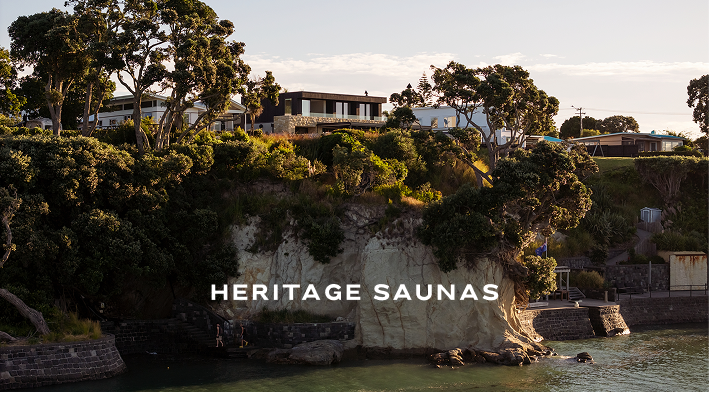
Instead of "fast turnaround", state the timeframe. Instead of "experienced team", say how many years, how many projects or which kinds of clients. Instead of "industry-leading results", give the result, with a number if you have one and a timeframe if it matters. When we describe the Heritage Saunas site, we say it converts enquiries at 4.6% against a 2.7% category benchmark and produced two to three qualified leads a week within three months of launch. A buyer can check those numbers against their own site.
Specific copy also turns away the wrong buyers. Stating that projects start at a certain level, or that you work with businesses of a certain size, means some visitors will leave. Those visitors would have taken up a sales meeting and gone nowhere, so losing them early saves the sales team time and lifts the quality of the enquiries that remain.
Talk about price, even without a number
Many service businesses avoid pricing on their website entirely, because each project is different. Buyers still want to know whether they can afford you before they spend time on a call. Silence on price means some buyers assume you are too expensive and never enquire, while others enquire and drop out once the number arrives.
You do not need a price list to address this. Explain how pricing works: fixed price or time and materials, what drives the cost up or down and what a typical engagement includes. A starting point or a range, where you can give one, filters buyers far better than a request to "get in touch for a quote". Our guide to how website projects get priced shows how we explain pricing structure for our own work.
Calls to action that describe the next step
A button labelled "Submit" or "Learn more" tells the buyer nothing about what happens when they click it. A call to action should name the outcome of the click: "Book a 30-minute scoping call", "Request a site audit" or "Get a fixed-price quote". The surrounding copy then sets expectations about who replies, how quickly and what the buyer should have ready.
Match the size of the request to the stage the buyer is at. Someone reading their first article on your site is not ready to book a sales meeting, but may download a checklist or read a case study. Someone on a service page after reading three case studies is ready for a direct ask. A single "Contact us" button on every page treats all of those visitors the same.
Keep the site and the sales team saying the same thing
Buyers notice when the website describes one business and the proposal describes another. If the site talks about strategy and the proposal is a list of deliverables, or the site promises a fixed price and the proposal arrives as an hourly estimate, the buyer starts to wonder which version is true. Review the website copy against your current proposals and sales scripts at least once a year, and update whichever one has drifted.
Copy is also one of the areas most damaged by approval processes. A page that passes through six stakeholders tends to lose every specific claim that one of them found uncomfortable, and what remains is safe and forgettable. Our piece on design by committee covers how to protect the sharp version through review.
Test the copy against real behaviour
Once new copy is live, measure enquiries and their quality against the period before. Count how many enquiries arrive, how many are qualified and how many become proposals. Ask your sales team whether first meetings are starting further along. If buyers stop asking a question that the site now answers, the copy is doing its job. A website audit can show which pages lose interested visitors and which answers are missing, before any rewriting starts.
Common questions
How do I write website copy that converts for a B2B business?
Start with what buyers ask your sales team. List the questions and objections that come up between first contact and signing, then make sure each key page answers them in the order buyers have them. Use the words your clients use to describe their problems, back every claim with a specific fact and end each page with a clear next step.
Should I put prices on my service business website?
Some form of pricing information helps most service businesses, even when projects vary. Explain how pricing works, what drives cost and what a typical engagement includes. Give a starting point or range if you can. Buyers who cannot tell whether you are within reach either never enquire or drop out once the quote arrives, which wastes time for both sides.
What should a call to action say on a service website?
It should name what happens when the buyer clicks, such as booking a scoping call or requesting a quote. Generic labels such as "Submit" or "Learn more" leave the buyer guessing. Add a line beside the button explaining who replies, how quickly and what the first conversation involves, so the step feels low-risk for someone who has not dealt with you before.
Who should write the copy for my business website?
The best copy comes from combining a skilled writer with the people who sell your service. The writer brings structure and clarity, while the sales team brings the real questions, objections and language buyers use. Copy written from a brand brief alone tends to sound polished and miss what buyers need to know before they will make contact.
How often should website copy be updated?
Review key pages at least once a year, and sooner if your services, pricing or target clients change. Compare the copy against your current proposals and the questions your sales team hears most. When buyers keep asking something the site should answer, or when the site describes the business differently from the proposal, it is time to rewrite those sections.