Nelson has a regional identity that draws national and international attention. For most businesses here, the buyer is somewhere else when they first encounter you. The website is the entire first impression.
Nelson is closer to the geographic centre of New Zealand than most people realise, and its businesses draw from a wide catchment that includes Richmond, Motueka, Blenheim, Havelock and the Marlborough Sounds. We work across the top of the South Island, and we are the studio of choice for a number of Nelson and Marlborough businesses that want a partner with a commercial track record and no interest in selling them a brand strategy alongside the build.


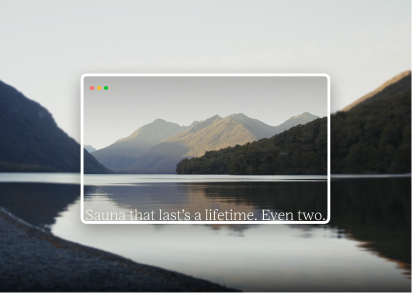
"Our results were immediate and exceeded every expectation. Within three months of launch with zero paid advertising, no completed product, and no prior market presence, Heritage Saunas has received enquiries from some of New Zealand's most prominent residential architects and high-end homeowners. We have Skyrocket to personally thank for this impact."
Heritage Saunas
The top of the South Island is known for wine, craft beer, artisan food and premium produce. Businesses in this category compete nationally and, increasingly, internationally for direct-to-consumer sales and cellar door visits. We build sites that communicate the product, the story and the experience in a way that converts browsers into buyers.
Nelson is a gateway to Abel Tasman National Park and some of New Zealand's most visited walking tracks. Tourism and outdoor recreation businesses here compete for visitors who have already researched multiple destinations. The website needs to earn the booking before they arrive.
Nelson has an unusually strong creative community for a regional city. Designers, makers, galleries and studios operate in a market where the quality of their digital presence is a direct signal about the quality of their work. The website isn't just a representation of what they do. It is part of it.
Nelson's professional services businesses serve both the local community and the wider Tasman and Marlborough regions. Legal, accounting, healthcare and consulting firms compete for clients who expect a certain level of capability before they make contact. The website is usually the first thing that confirms or contradicts that expectation.
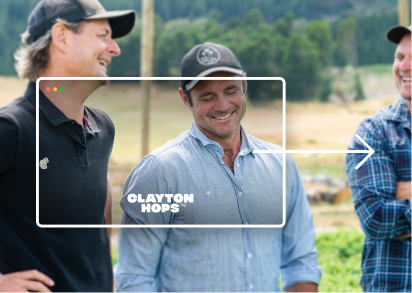
Nelson produces some of New Zealand's most distinctive specialty ingredients. Nelson Sauvin hops are used by craft brewers internationally, and the region's wine, olive oil, garlic and artisan food producers all operate at a premium the website needs to support. For trade buyers, a specialist ingredient supplier's product page needs to hold up to serious technical scrutiny. For consumers, it needs to communicate provenance and quality clearly enough to earn the price. Those are different briefs for the same product, and both need to work.
Nelson has a disproportionately large community of artists, potters, glassblowers, textile makers and fine jewellers for a city its size. Makers here tend to sell through galleries, markets and studios, with an online channel that often understates what the work is worth. The website's job is to communicate what is lost in a photograph: scale, texture, material quality and the story behind the work. For handmade work at this level, the photography and copy matter as much as the architecture.
The Moutere Hills and surrounding areas support a significant wine community with cellar doors that draw visitors from Nelson and further afield. The brief for a Nelson winery site typically covers three jobs at once: selling wine online, driving cellar door visits and communicating the brand story to someone who has never been to the region. Each of those requires a different content approach and a different conversion path. We map them separately before we design anything.
Nelson is one of New Zealand's most significant fishing ports, and the marine and seafood processing industries here operate at national and international scale. For businesses in that sector, the website is primarily a credibility document for supply chain buyers and partners rather than a consumer acquisition tool. The brief is usually clear: demonstrate the scale and capability of the operation, communicate relevant certifications and fisheries and give a buyer easy access to the right contact.
With clear audience separation. Trade buyers and consumers need different information in different formats. A brewer sourcing Nelson Sauvin hops needs technical specifications, minimum order information and reliable contact details. A consumer who saw the brand at a market wants the story. We build site architectures that serve both without making either audience dig.
Yes. Relationships drive the first contact, but your website is what happens next. The fishing industry supply chain, processing businesses and maritime services all have commercial relationships where a credible website is part of due diligence, not a primary sales channel. The brief is usually: look like the serious operation you are and give someone easy access to the right contact.
It extends your reach beyond the galleries and markets where you currently sell. The site needs strong imagery, a clear sense of your practice and the provenance behind the work and an easy path to enquire or purchase. For makers who do commission work, the website also pre-qualifies the enquiry. Someone who finds you online has already seen the work and decided they want something like it.
By selling the experience before the visit. The Moutere is a specific place, and people who make the drive from Nelson or from further afield want to know the experience is worth it. Strong photography, clear information about what the cellar door offers and a simple reservation or visit planning flow. We build for that conversion path.
By being specific about what you do and who you do it for, rather than softening your positioning to fit the local aesthetic. Professional services clients respond to evidence of expertise. The businesses, property, finance and legal clients you want need to see proof, not brand warmth. We build for the buyer, not the city's personality.