Rotorua's visitor economy creates consistent demand for products sold online, from merchandise and vouchers to experience packages and cultural goods. Most operators here are leaving that revenue on the table because the store wasn't built for how their buyers actually purchase. We fix the structure first.


“We hired Skyrocket to rebuild our two websites on Shopify (one for NZ, one for Australia) and we were extremely satisfied with the whole experience. Skyrocket were efficient and cost-effective, delivering everything we wanted for our websites on time and on-budget....I have 15 years of experience in e-commerce and performance marketing, working both client side and agency side ... I can honestly say that our project with Skyrocket was one of the smoothest I’ve experienced, and I would enlist them again in a second.”
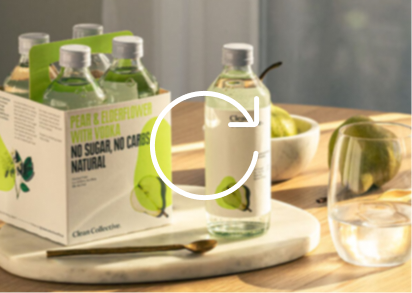
Courtney Sanders - Clean collective
Rotorua's tourism economy creates consistent demand for merchandise, vouchers and experience products sold online. Shopify handles digital products, physical merchandise and experience packages from the same platform. Most operators have the buyers. What they lack is a store built to convert them before and after the visit, not just during it.
Rotorua has a deep connection to Maori culture, and the products that come from it — art, craft, gifts and heritage items — sell to buyers around the world who have a genuine connection to the experience. A Shopify store for a cultural product business needs to communicate the significance and quality of what it is selling, not just display a product grid. The margin in this category depends on the story being told properly.
Rotorua is one of NZ's leading adventure tourism destinations, attracting repeat visitors who come back for the mountain biking, the lakes and the thermal experiences. The operators and retailers serving this market have buyers who return. A Shopify store configured properly for loyalty, repeat purchase and gifting extracts more revenue from relationships the business has already built.
Rotorua's hospitality businesses have strong visitor volumes and, in most cases, underperforming online retail. Merchandise, gift vouchers, packaged experiences — the revenue potential is real, but it requires Shopify structures that most hospitality businesses have not built. The buyers are walking through the door. The store is what captures them after they leave.
Rotorua's visitor economy includes a significant proportion of international visitors, particularly from Australia, China, Japan and South Korea. Shopify's market features handle multi-currency display, market-specific pricing and international payment methods natively. For Rotorua operators, getting currency display right at the product browsing stage is as important as the checkout configuration. A visitor pricing a voucher or product in NZD without realising it creates a poor experience that usually ends in an abandoned cart.
Maori cultural products carry a provenance premium that depends on the store communicating it accurately and respectfully. Buyers purchasing pounamu, carving, wearable art or cultural goods from a Rotorua-based store are making a considered decision. Product pages that provide context about origin, artist and cultural significance earn that buyer in a way that generic product photography cannot. The margin in this category is in the storytelling.
Rotorua's adventure tourism operators are increasingly capturing bookings and merchandise revenue through Shopify alongside or instead of aggregator platforms. The economics are significantly better when the platform commission is 2 percent rather than 25. We build the booking and purchase architecture that captures that margin directly.
Visitors who have had a genuine positive experience in Rotorua are one of the warmest potential buyer audiences an operator has. They already trust the brand. A Shopify store configured for post-visit purchasing, with clear international shipping, easy product discovery and the brand experience that reminds the buyer of the original encounter, captures revenue that most Rotorua operators leave behind when the visitor checks out.
Yes. Shopify product pages can carry as much context as the product warrants: artist information, provenance, the cultural significance of the materials, the story behind the work. A piece of pounamu is not the same as a generic craft item and the store should not present it that way. We build product architectures that give each piece the space it deserves while keeping the path to purchase clear.
Yes, with the right architecture from the start. Physical merchandise, digital gift vouchers and experience packages each have different fulfilment logic in Shopify. We scope which product types you need at brief stage and build the store to handle all of them cleanly, so your team is not manually processing anything that can be automated.
With multi-currency, international shipping and product presentation that makes sense to someone who visited Rotorua three months ago and wants to buy something for a friend. We configure for your key international markets, typically Australia, the US, UK, Japan and South Korea for Rotorua operators, from the start. A visitor who had a great experience is one of the warmest buyer audiences there is. Most stores here do not capture them because the store was not built for it.
Yes. Rezdy handles bookings and Shopify handles product sales. They run on separate systems and can both be linked or embedded from your main website. We scope the relationship between them at brief stage so the customer experience feels cohesive even if the platforms are running independently behind it.
Shopify's point-of-sale system connects to the same inventory as your online store. Stock levels, product information and customer records stay consistent whether the sale happens at the market or online. For sellers moving from in-person to in-person plus online, this is the cleanest path. One system for both channels, no duplicate spreadsheets.